The world is holding its breath. In a stunning claim, President Donald Trump says the U.S. and Iran could strike a deal within days to extend the fragile ceasefire and reopen the Strait of Hormuz, the narrow waterway that keeps global oil flowing. Allies doubt it. Enemies mock it. Markets panic as diplomats race against time. The sudden declaration has injected a massive dose of volatility into international commodity trading as crude oil prices experience dramatic swings. High-level negotiators are reportedly pulling all-nighters in Geneva to see if the rhetoric can be matched by concrete treaty text. Meanwhile, hardliners within both nations are already moving to sabotage any potential consensus before it can be signed. Satellite imagery shows a heightened naval presence near the critical maritime choke point, underscoring the severe consequences of a diplomatic failure. The coming days will definitively prove whether this announcement is a historic breakthrough or merely a highly calculated piece of political theater.
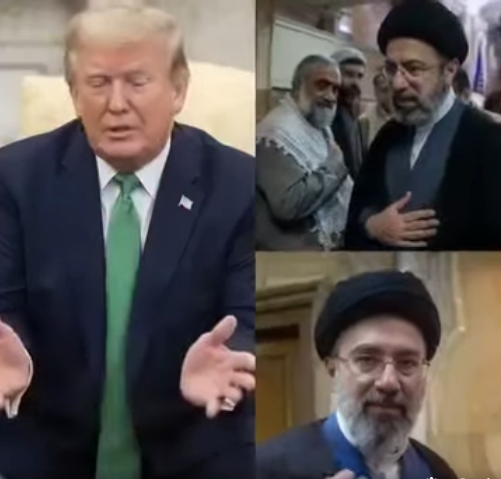
Video evidence referenced in 1029775832729221's2026-6-28-21.52.962 story.mp4 shows Donald Trump speaking confidently during a formal briefing on the left side of the split-screen layout. Concurrently, the right side of the screen features footage of prominent Iranian officials and religious figures engaging in discussions in a decorated corridor. These visuals highlight the stark contrast between the public optimism of Washington and the complex internal politics of Tehran. Global energy analysts warn that a failure to reach an accord could trigger an immediate supply shock across Europe and Asia. Financial institutions are already advising clients to prepare for extreme market fluctuations depending on the outcome of these rapid negotiations. Defense departments around the globe remain on high alert, monitoring every strategic asset moving through the Persian Gulf. Diplomatic cables reveal that several European allies were completely blindsided by the timing of Trump’s bold prediction. The United Nations has issued a cautious statement, urging both sides to exercise maximum restraint and prioritize peaceful dialogue. Economists predict that a successful resolution could instantly stabilize shipping insurance rates and lower global inflation pressures.
However, critics point out that past agreements with similar frameworks have collapsed under the weight of mutual distrust. The political future of several key administration figures may hinge on whether this gamble yields a tangible diplomatic victory. Rumors are swirling that backchannel communications have been secretly operating through neutral intermediaries for several consecutive months. As the clock ticks down toward the self-imposed one-week deadline, the intensity inside the negotiation rooms is reaching a boiling point. Border security and intelligence agencies are ramping up surveillance to detect any signs of impending regional escalation. Public opinion remains deeply divided, with some praising the bold approach and others fearing it could lead to a deeper crisis. The sheer speed at which this diplomatic narrative is unfolding has left seasoned politicians scrambling for answers. Every major television network has deployed specialized correspondents to the region to provide continuous, live updates on the situation. Investors are shifting capital into safe-haven assets like gold as a protective measure against a potential diplomatic collapse. The historic significance of this moment is not lost on the citizens of both nations, who ultimately bear the brunt of economic sanctions.
Security protocols around international embassies have been quietly reinforced over the past twenty-four hours. Senior officials from neighboring Middle Eastern countries are expressing private concerns about being excluded from the core terms of the deal. The rhetoric emerging from state-controlled media in Tehran continues to strike a much more combative and cautious tone than Trump’s speech. Legal experts are already debating whether the proposed framework would require formal ratification from legislative bodies. The physical infrastructure of the global energy supply chain remains highly vulnerable to any sudden outbreak of hostilities. This high-stakes game of international poker is being watched closely by rival superpowers who seek to expand their regional influence. The psychological impact of this announcement has already altered trading patterns across all major Asian markets this morning. A collective sense of anxiety is palpable among maritime transport companies that operate large fleets of oil tankers. Speculation regarding specific concessions on uranium enrichment levels has flooded the defense analysis community. Senior lawmakers on Capitol Hill are demanding a classified briefing to understand the exact parameters of the ongoing discussions.
The potential for a sudden, unannounced signing ceremony has kept journalists stationed outside the diplomatic quarters around the clock. History suggests that breakthroughs of this magnitude rarely happen without significant, last-minute compromises from both sovereign entities. The next forty-eight hours will likely determine the trajectory of international relations for the remainder of the decade. No matter the final outcome, the geopolitical landscape has been fundamentally altered by this single week of high-intensity diplomacy. The world can only watch, wait, and hope that reason prevails over the deeply rooted animosities of the past.